
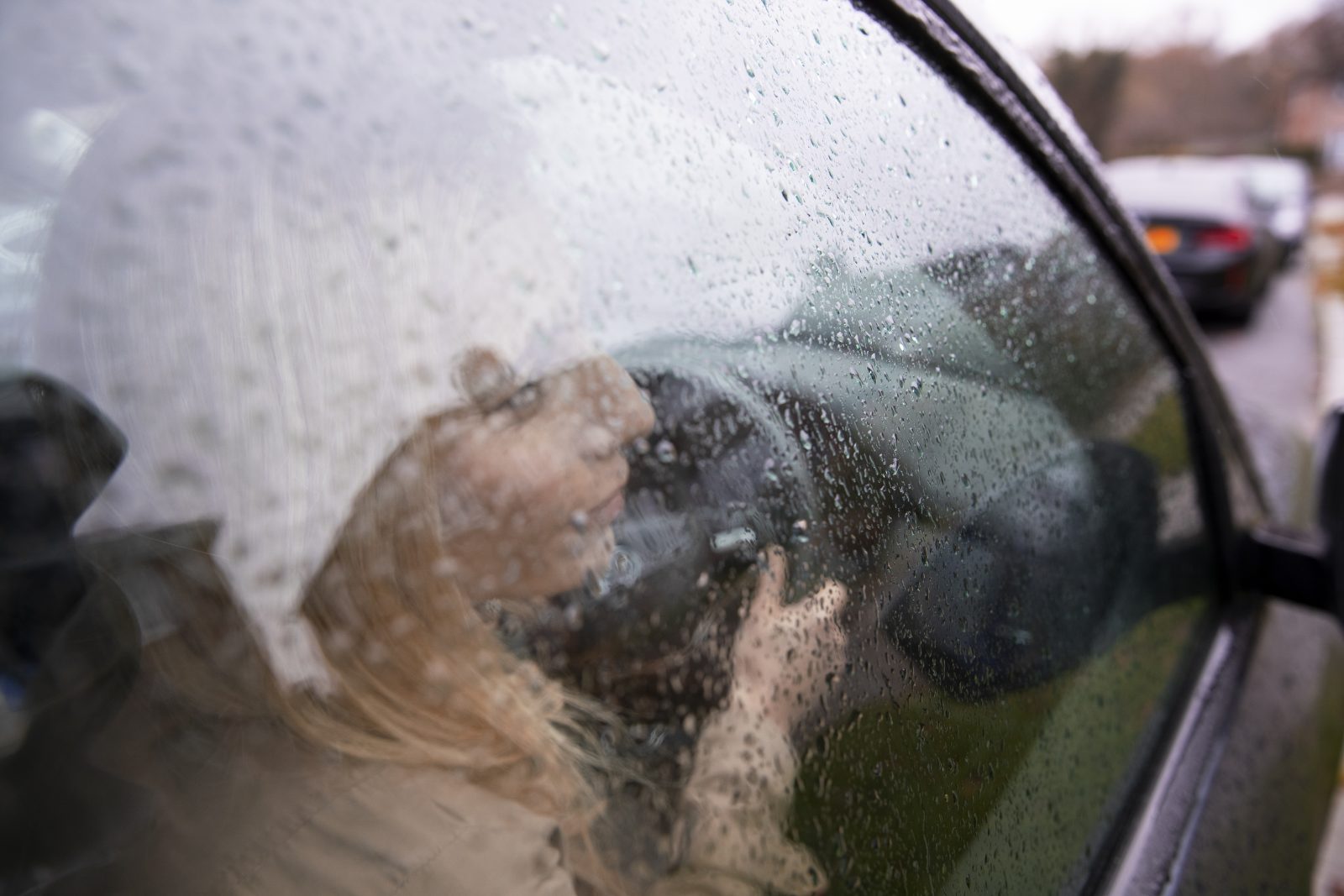
Severe weather does not choose when it arrives and can sometimes catch you on the road without warning. Rain, snow, fog and icy conditions all require a different approach to driving and additional caution. The good news is that you can prepare for most of these challenges in advance and significantly reduce the risk of unpleasant situations with the right approach.
Whether you are driving your own car or a rental vehicle from Elite Rent a Car, these tips apply equally. We have prepared a guide covering the most important things to keep in mind when road conditions deteriorate.
Adjust Your Speed to the Conditions – Not Just the Limit
The speed limit on a road sign indicates the maximum permitted speed, but in bad weather, a safe speed may be significantly lower. When the road is wet or slippery, or visibility is reduced, adjust your speed to the actual road conditions.
There is no reason to rush. Leave earlier than usual and give yourself enough time to reach your destination without pressure. When you are not under time pressure, your reactions are calmer, your decisions are more considered and driving is safer for everyone on the road.
Distance – Your Most Important Ally
Following too closely is a common contributing factor in road accidents, and the risk increases further in bad weather. Stopping distances on wet, snowy or icy roads can be significantly longer than on dry roads.
The rule is simple – the worse the conditions, the greater the distance should be. Give yourself enough space to react, even if the gap may seem larger than necessary. It is better to leave more room than to react too late.
Be Visible – and See Others
Reduced visibility is one of the most dangerous aspects of bad weather. Here is how you can improve safety:
Turn on your lights early – Do not wait until it is completely dark or the fog becomes dense. As soon as you notice visibility decreasing, use the appropriate lights. The goal is not only to see the road, but also to make sure other drivers can see you in time.
Use fog lights appropriately – Front and rear fog lights should only be used when visibility is significantly reduced and their use is justified. In normal conditions, they can disturb or distract other road users.
Use your indicators – always – In poor conditions, other drivers have less time to anticipate your movements. Signal your intentions in good time, whether you are turning, changing lanes or stopping.
Vehicle Condition Is Not a Detail – It Is the Foundation
Even the best driver cannot compensate for a poorly prepared vehicle. Before setting off in bad weather, pay attention to a few key areas:
Tyres – Tread depth directly affects the vehicle's grip on the road. On wet roads, worn tyres can significantly increase stopping distances and the risk of aquaplaning. In winter conditions, use appropriate winter tyres in accordance with local regulations and road conditions.
Brakes – The effectiveness of the braking system is especially important in difficult conditions. If you notice anything unusual, such as strange noises, vibrations or changes in braking performance, address the issue promptly.
Wipers and washer fluid – It may sound simple, but faulty wipers during heavy rain can significantly reduce visibility. Check the condition of the wiper blades and make sure the windscreen washer reservoir is filled.
Note: When you rent a vehicle from us, all vehicles are regularly serviced and maintained in roadworthy condition. Nevertheless, it is always good practice to carry out a quick visual check before starting a longer journey.
Check the Conditions Before You Get Behind the Wheel
A few minutes spent checking the weather and road conditions can save you hours of stress. Check the weather forecast and traffic information, especially if you are planning a longer journey.
If conditions are extremely poor, such as heavy rainfall, icy roads or strong winds, consider whether the journey can be postponed. No obligation is more important than your safety.
Staying Calm Behind the Wheel – Your Greatest Advantage
All of the tips above have one thing in common – staying calm. When you remain calm, you assess situations better, react more precisely and make better decisions.
Panic behind the wheel can make an already difficult situation even more challenging. If extremely bad weather catches you while driving, slow down, stay focused and, if necessary, find a safe place to stop and wait for conditions to improve.